ASPACE-Q
The Astrophysics, Space Exploration and Quantum Computing Group
ASPACE-Q
The Astrophysics, Space Exploration and Quantum Computing Group
Research
Our main research activity within LISA Mission Consortium is related to the development of artificial intelligence based low-latency pipelines for fast processing and characterization of the signals detected by LISA. This can be use to generate low-latency alerts for other space or Earth observatories in the context of multi-messenger observations.
This activity is related to the activities within the Low-Latency Pipelines Working Package (WP4) of the LISA Science Working Group. The coordinator of the ISS-Sci Group, Laurențiu-Ioan Caramete is also the co-PI of this WP.
Other research activities of the group, both within LISA Mission Consortium and for future gravitational-wave observatories, include:
• Simulating the astrophysical processes that generate gravitational waves to determine the requirements for the detection equipment.
• Developing catalogues of black holes masses to estimate the number of events that could be detected by the LISA mission.
• Developing machine-learning based low-latency pipelines for LISA and other future gravitational wave observatories on space qualified hardware such as GPUs and FPGAs, to test the advantages of a possible on-bord data analysis
• Developing quantum machine-learning based low-latency pipelines for LISA and other future gravitational wave observatories.
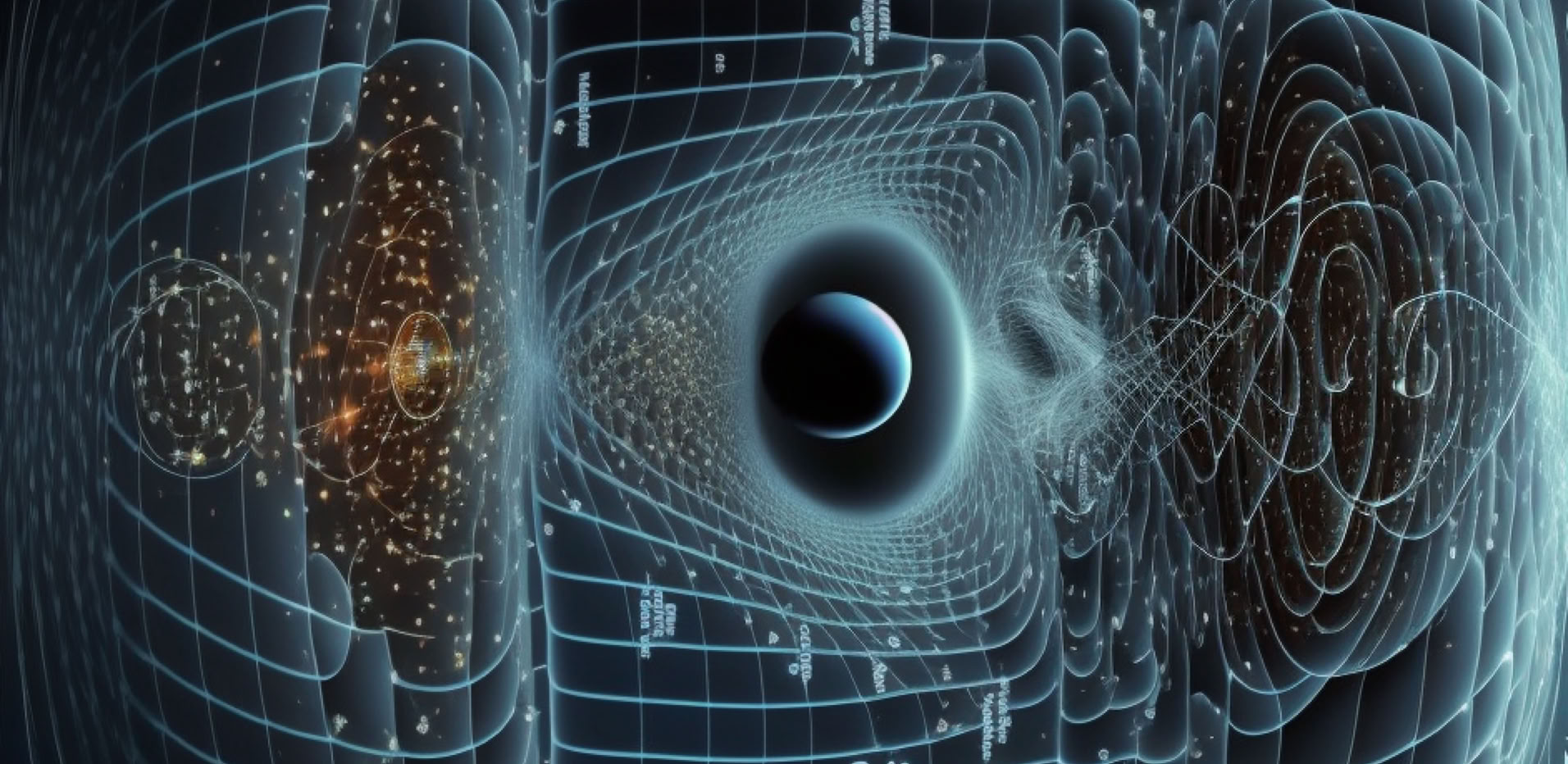
Low-Latency Pipelines for LISA Mission